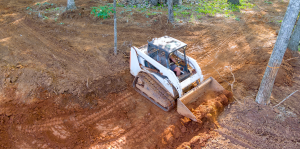
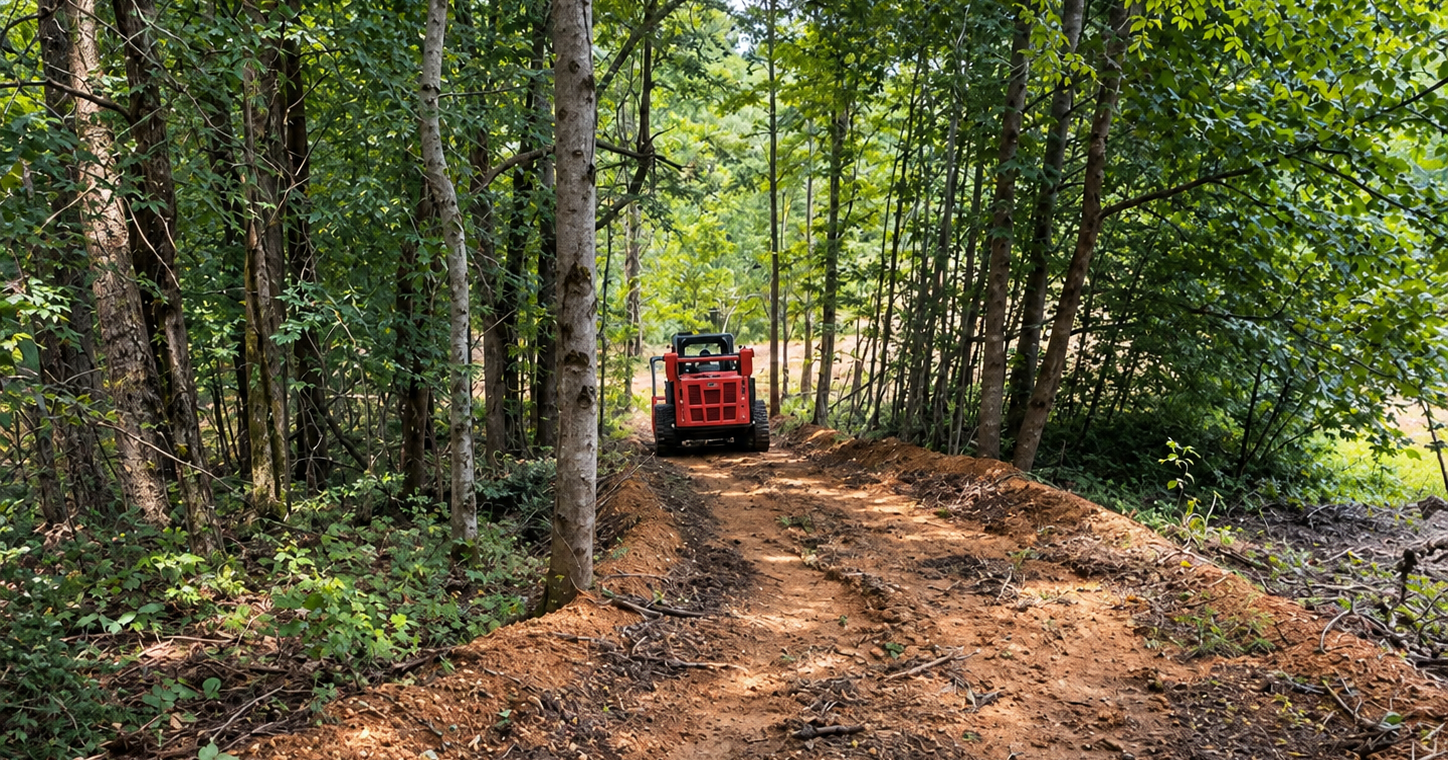
You can walk a piece of land, pick out a spot for the house, and still have no idea how a concrete truck will get there. Brush hides old ruts. A shallow ditch cuts across the proposed driveway. That open patch in the trees may be the place where water collects after rain. None of this necessarily ends the building plans, but it needs attention before construction starts.
At Middle Tennessee Excavation & Land Clearing in Hohenwald, Tennessee, we offer land clearing services along with grading, drainage, driveway work, and site preparation. Clearing is part of getting a property ready, not the whole job. Before equipment starts moving dirt, we need to understand what you intend to build and what the site will allow.
Put The Building Plan Ahead Of The Clearing
It’s tempting to start with the trees and sort everything else out later. We’d rather know where the building, driveway, utilities, and any septic area belong first. Moving a planned homesite after clearing can leave you paying to open another area while losing trees you could have kept.
Property lines need to be confirmed, too. An old fence isn’t a substitute for a survey. Setbacks, easements, septic approvals, and local building requirements can all affect where work takes place. Bring the site plan and any survey information when we discuss the property. If something hasn’t been settled, that’s worth saying before the clearing limits are marked.
Permit questions belong here, not after the first day of digging. Check with the local permitting office and the appropriate state agencies before disturbing ground, especially near streams or wetlands. Tennessee construction stormwater requirements generally cover disturbance of an acre or more, and smaller sites can qualify when they’re part of a larger development plan. A small clearing job isn’t automatically exempt from every rule.
Make Room To Get In And Back Out
A pickup fitting through a gap doesn’t tell us much about construction access. Equipment and delivery trucks need clearance, firm ground, room to turn, and a safe connection to the road. A tight entrance can become a problem before anyone reaches the house pad.
We look at access as part of the whole property. Sometimes an approved temporary route makes sense. On another site, establishing the future driveway early may avoid paying for two separate routes. Either way, its location needs to work with drainage and the planned construction traffic.
If the route crosses a ditch, culvert size and placement need to suit the water flowing through it and the loads above it. This isn’t a matter of putting in whatever pipe happens to be available. Roadside entrance work may need approval from the road authority, and a stream crossing can involve additional requirements. Settle those questions before installation.
Choose Land Clearing Services For The Finish You Need
Opening a walking trail and preparing ground beneath a building aren’t the same job. Forestry mulching can cut down brush and smaller growth while leaving a layer of woody material on the surface. It’s useful for opening overgrown areas without creating a big debris pile. It doesn’t, by itself, produce a construction-ready building pad.
Under a planned structure or driveway, stumps, roots, and other organic material need to be addressed according to the site requirements. Wood buried under fill can decay and leave a place for the ground to settle. Covering it with clean dirt doesn’t make it disappear.
We also need to agree on what stays. A privacy strip along the road may matter more to you than another few feet of open space. Mark retained trees and protect their root areas from excavation, stockpiles, and equipment traffic. Decide how removed material will be handled before the job starts; hauling or other lawful disposal needs space and planning. Burning shouldn’t be assumed to be allowed.
Underground lines need attention before digging or pulling stumps. Contact Tennessee 811 with at least three working days’ notice and confirm the required utility responses before excavation. Private lines, such as a supply line to an outbuilding, may need a separate locator. An empty-looking lot can still have something buried in it.
Follow The Water Before Setting The Grade
A dry afternoon only shows part of the property. Look for washed-out soil, sediment in low spots, or marks where runoff crosses an old track. If you’ve seen the land during heavy rain, tell us where the water went. Photos help when the ground has dried out again.
Grading gives that water a planned route. It may involve cutting a high area, placing suitable fill, or shaping drainage around the proposed pad and driveway. Making everything flat isn’t the goal. Flat ground with nowhere for water to leave can hold a puddle right where trucks need to travel.
Runoff also needs an appropriate outlet. Moving a wet spot onto the neighboring property isn’t a solution. Erosion controls and stabilization need to fit the site and any permit requirements, particularly while soil is exposed. Mulch left from clearing does not replace a required stormwater plan.
A Cleared Pad Still Needs Suitable Ground
Once the trees are gone, the soil underneath may need more work than expected. Topsoil, soft areas, buried debris, or unsuitable fill can affect the next step. The builder and, where needed, a qualified geotechnical professional should establish what the building pad requires. Soil evaluation, fill placement, compaction, and testing depend on the project; a smooth surface alone doesn’t prove the ground can support a foundation.
We also want enough space around that pad for the actual build. Lumber needs a place to sit. Trucks need somewhere to turn without backing over protected areas. Clearing only the exact footprint of the house can leave the crew squeezed into a space that looked generous on paper.
Think about the later work while planning this area. A future shop, utility trench, or parking space may affect where access and stockpiles belong now. You don’t have to finish every feature at once. You do want to avoid putting today’s work directly in tomorrow’s way.
Talk Through The Property Before Work Starts
Before calling a site ready, the clearing, access, drainage, and pad preparation need to match the agreed scope and the builder’s requirements. Required approvals and inspections still matter. Removing the last brush pile doesn’t mean a foundation can automatically go in the next morning.
If you’re planning a build, let’s start with the property rather than a guess about how many trees need to go. Call Middle Tennessee Excavation & Land Clearing at (931) 306-7686 to discuss your land in Hohenwald, Tennessee, or the surrounding Middle Tennessee area. Bring your plans, your questions, and any photos of trouble spots so we can talk through the clearing and site work your project needs.