
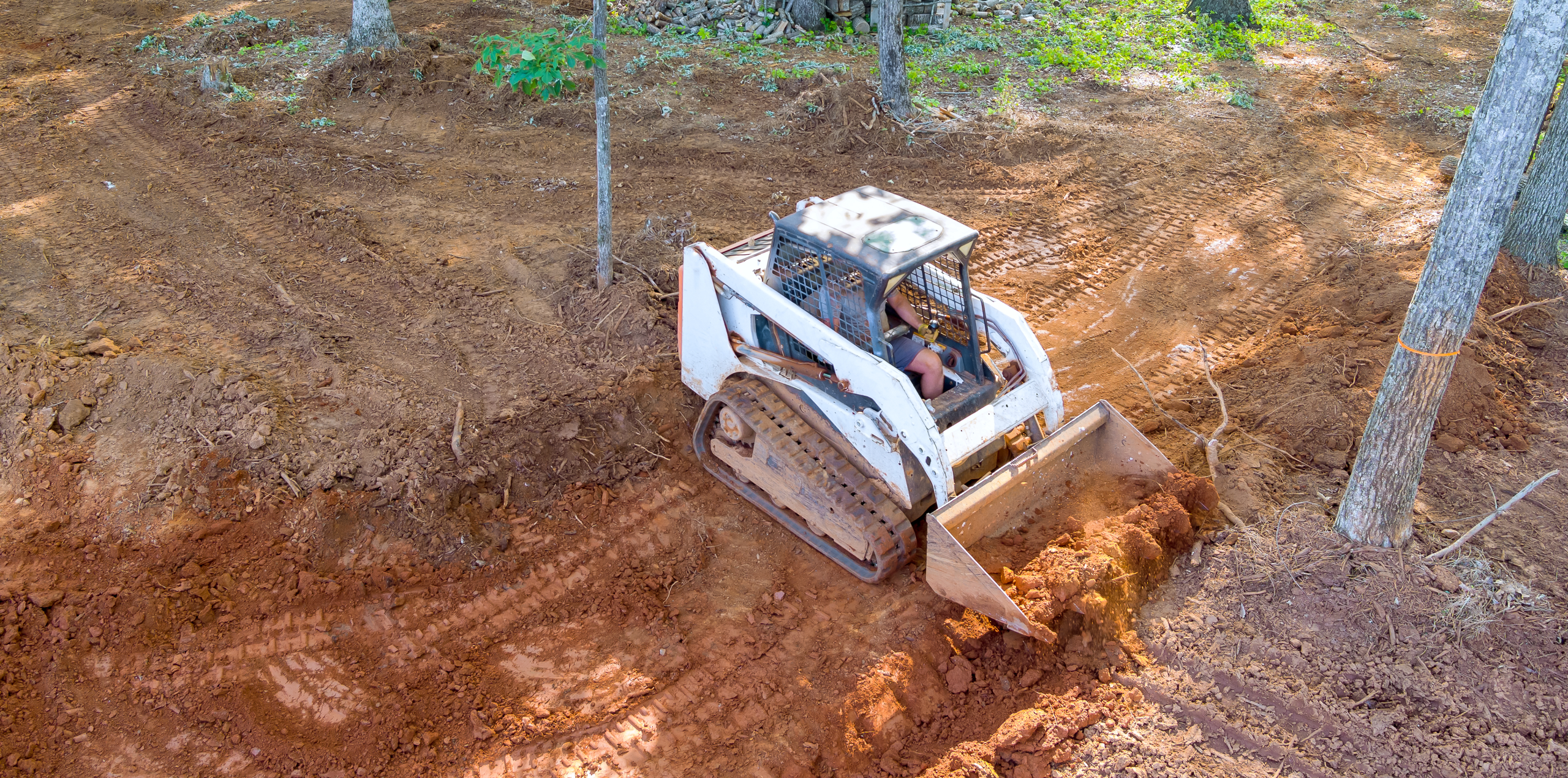
You may know exactly which patch of brush you want gone and still have plenty of questions about the work. Can a machine get through the gate? Will the stumps stay? What happens to the material? Those details belong in the conversation before clearing begins, not after the first pass across the property.
At Middle Tennessee Excavation & Land Clearing, based in Hohenwald, Tennessee, we start with what you want to do with the land. A future house site needs a different finish from a hunting lane or an overgrown fence row. Tell us the end use first. That helps us discuss land clearing services that fit the job instead of clearing ground you will have to work over again later.
Send the Property Details First
You do not need a polished project brief to get in touch. Send the property location, the service you need, approximate acreage if you know it, and several photos. Pictures of the entrance matter just as much as pictures of the brush. A narrow approach or washed-out lane can affect the job before we reach the clearing area.
Photos give us a starting point, not a view of everything under the growth. Buried wire, old foundations, soft spots, and steep ground may need a closer look. We can discuss what else is needed to understand the site and the work you have in mind.
Availability also depends on the location, access, scope, and schedule. Being within our general service area does not mean every project can begin immediately. It is better to talk about timing early, especially if another contractor is waiting on the clearing.
Agree on What Stays
“Clear this area” can mean different things to different people. You may want a few mature trees left for shade, a screen kept along the road, or a trail opened without exposing the whole property. Point those things out before work starts.
A work boundary is not the same as a property boundary. If the legal line is uncertain, have it established before clearing near it. An old fence or a line on a phone map is not a substitute for a reliable boundary. Share any available survey and make sure the limits of the work are understood.
Keep trees need more than a mark on the trunk. Their root areas and the equipment route deserve consideration too. We can discuss how the clearing plan should account for the trees and other features you want to protect.
Know What the Clearing Method Leaves Behind
Forestry mulching reduces vegetation and leaves processed material on the ground. It can suit brush control, trails, and selective clearing, depending on the conditions. But mulched ground is not automatically a finished building pad. Roots, stumps, and organic material may still need attention before construction.
Traditional clearing and excavation can involve a different amount of ground disturbance and material handling. Ask whether the proposed work includes stump removal, hauling, piling, or grading. These are separate parts of the job, and they affect what you can do with the property afterward.
We want the expected finish to be clear. A cleared fence row does not need to look like a lawn, while a future driveway needs more planning than simply opening a path through the trees.
Locate Utilities and Check Permissions
Before ground-disturbing work, arrange the required utility-locate process and wait for the necessary responses. Rural land can still have buried services. Private lines to a barn or shop, septic components, and other owner-installed systems may not be covered by a standard public utility locate.
Tell us about the lines and structures you know are there, even if you are not certain of their route. Uncertainty is a reason to investigate, not a reason to let the equipment operator guess. Wells, tanks, and abandoned structures also need to be identified.
Streams, road access, easements, and erosion-control requirements can add approval steps. Confirm what applies to your property before work begins. Clearing vegetation does not remove the responsibility to protect waterways or respect restrictions on the land.
Leave Room for Weather and Access Problems
Wet ground can change a sensible plan in a hurry. A route that holds a pickup in dry weather may rut badly under equipment after rain. Sometimes postponing part of the work is the better choice than forcing access and leaving damage behind.
We also need to consider turning space, staging, slopes, and overhead clearance. Move personal items from the agreed work area when it is safe to do so, and keep people and animals away from operating equipment. You do not need to cut your own way into unsafe brush to prepare for us.
Plan the Next Phase Before This One Starts
If a home, barn, driveway, or drainage project comes next, bring that up now. The clearing boundary and equipment access may need to serve that later work. Discuss how disturbed soil will be stabilized and what maintenance may be needed; removing vegetation once does not mean nothing will grow back.
Call Middle Tennessee Excavation & Land Clearing in Hohenwald, Tennessee at (931) 306-7686 to discuss your property. Send the location and a few photos, and tell us what you want the land to become. We can help you sort through the clearing approach, access questions, and next steps before equipment arrives.


